How to Effectively Plan a Community Festival
Planning a community festival can be an exciting venture that brings people together and celebrates local culture. However, it requires careful consideration and organization. This article provides actionable insights into effectively planning a festival, ensuring it meets community needs and enhances the local music scene.
Understanding the Fundamentals of Festival Planning
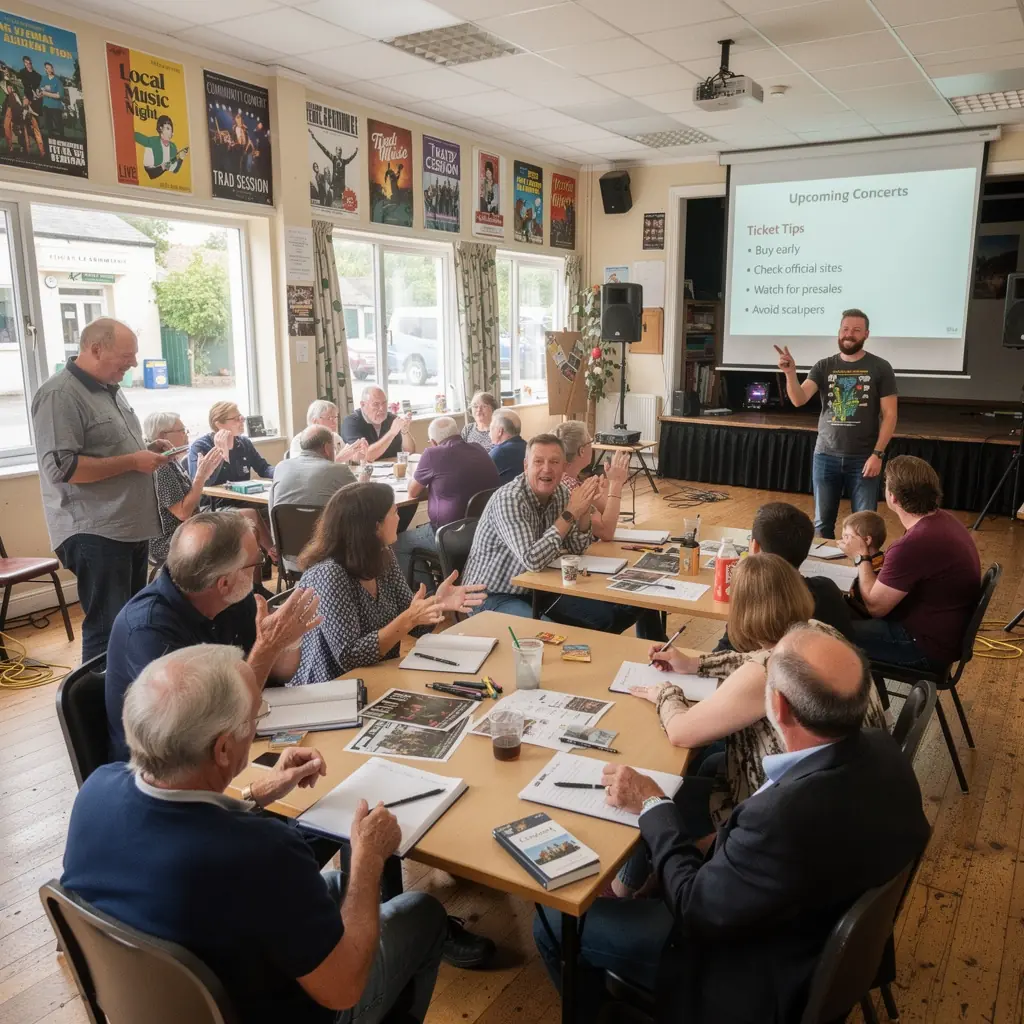
According to industry experts, successful festival planning begins with a clear understanding of the community's interests and preferences. Identifying the right theme and activities is crucial, as these elements set the tone for the event. Many planners find that engaging with local stakeholders, such as artists and businesses, can provide valuable insights into community expectations.
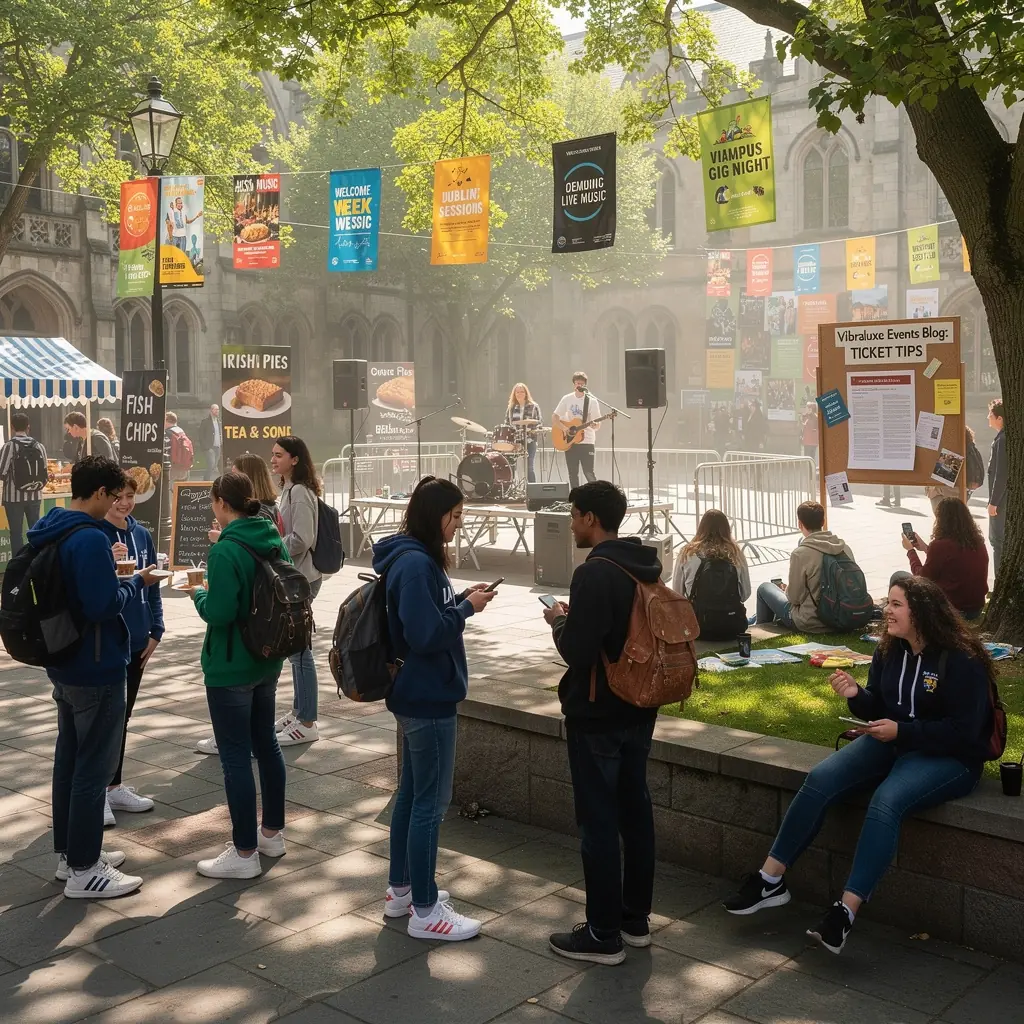
"Engaging with the community during the planning phase can significantly enhance the event experience and encourage participation." - Festival Planning Expert
Setting Clear Objectives
Establishing specific objectives is essential for guiding the planning process. Many successful festivals focus on goals like:
- Enhancing local culture and arts visibility
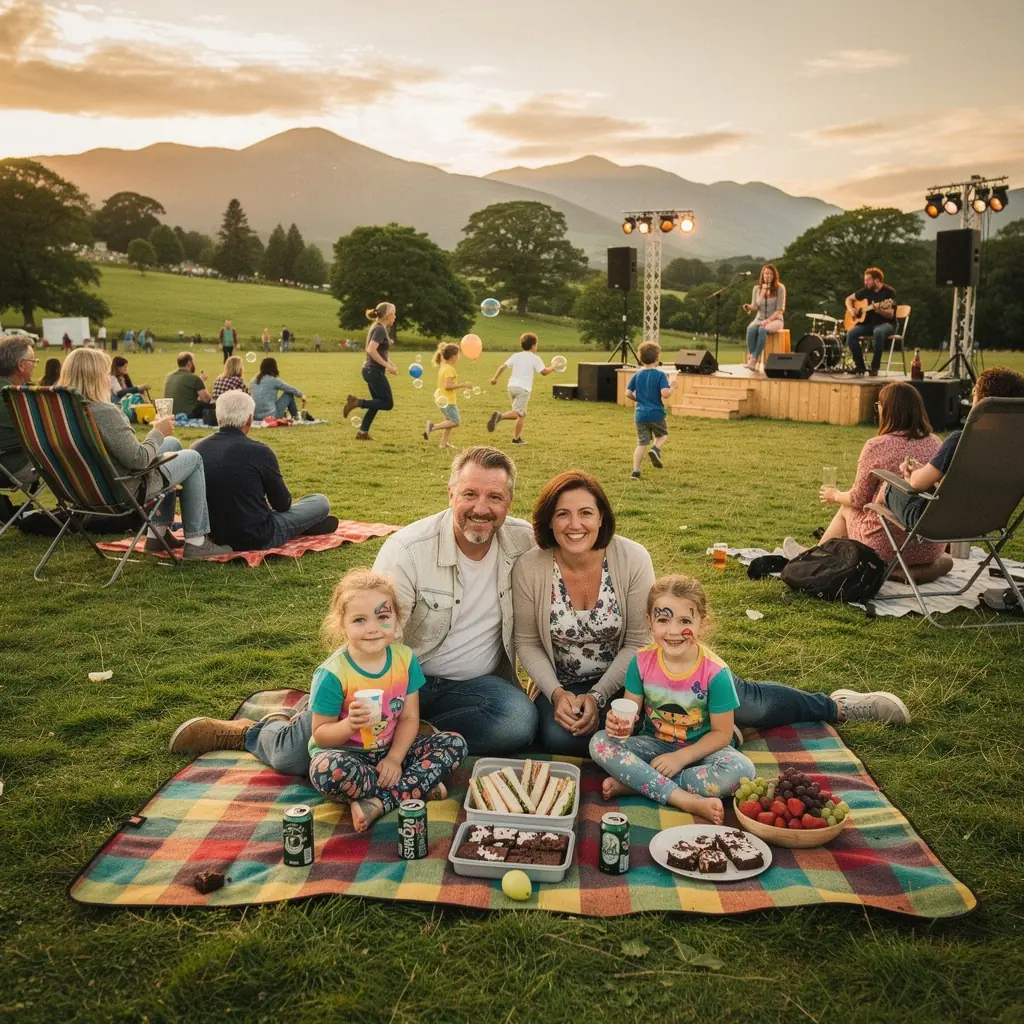
- Providing family-friendly activities
- Fostering community engagement and pride
By defining these objectives, planners can create a festival that resonates with the community and aligns with its cultural values.
Creating a Comprehensive Schedule
A well-structured schedule is fundamental to festival success. This includes:
- **Live Shows Schedule**: Coordinate performances from local artists and groups.
- **Activity Timing**: Allocate specific time slots for workshops, children’s activities, and food vendor presentations.
- **Cultural Events**: Feature arts and cultural events that showcase local talent.
Experts recommend a timeline that allows ample time for setup and breakdown. Typically, a well-organized festival may take 6-12 months of planning.
Event Promotion Strategies
Effective promotion is vital for attracting attendees. Utilize various channels such as:
- **Social Media**: Leverage platforms to share updates and engage with potential attendees.
- **Local Media**: Collaborate with local newspapers and radio stations for coverage and announcements.
- **Community Engagement**: Foster buzz through local gatherings and meetings to promote the festival.
By diversifying promotional efforts, you can reach a broader audience and enhance community participation.
Ticketing Considerations
Understanding ticketing options is essential for both organizers and attendees. Consider the following:
- **Pricing Strategy**: Research typical pricing for similar events to set reasonable ticket prices.
- **Online and Offline Sales**: Provide multiple purchasing options to accommodate different preferences.
- **Discounts and Deals**: Consider offering early bird specials or family packages to encourage attendance.
According to ticketing experts, clear communication about ticket availability and pricing can greatly influence sales.
Managing Logistics and Safety
Logistics are crucial in ensuring a smooth event. Key aspects to manage include:
- **Venue Capacity and Safety**: Assess the venue's capacity to ensure compliance with safety regulations.
- **Vendor Coordination**: Ensure all vendors understand their roles and timelines for setup and service.
- **Emergency Plans**: Develop contingency plans for emergencies, including medical assistance and crowd management.
Experts recommend reviewing these logistics with local authorities to ensure safety and compliance with regulations.
Conclusion
Effectively planning a community festival involves a combination of thoughtful organization, community engagement, and a clear understanding of local interests. By following these guidelines and utilizing available resources, planners can create a rewarding experience that strengthens community ties and enhances the local arts and culture scene. Remember, each festival is unique, and adapting strategies to fit local needs will lead to successful outcomes.