The Role of Venues in Shaping Local Art Culture
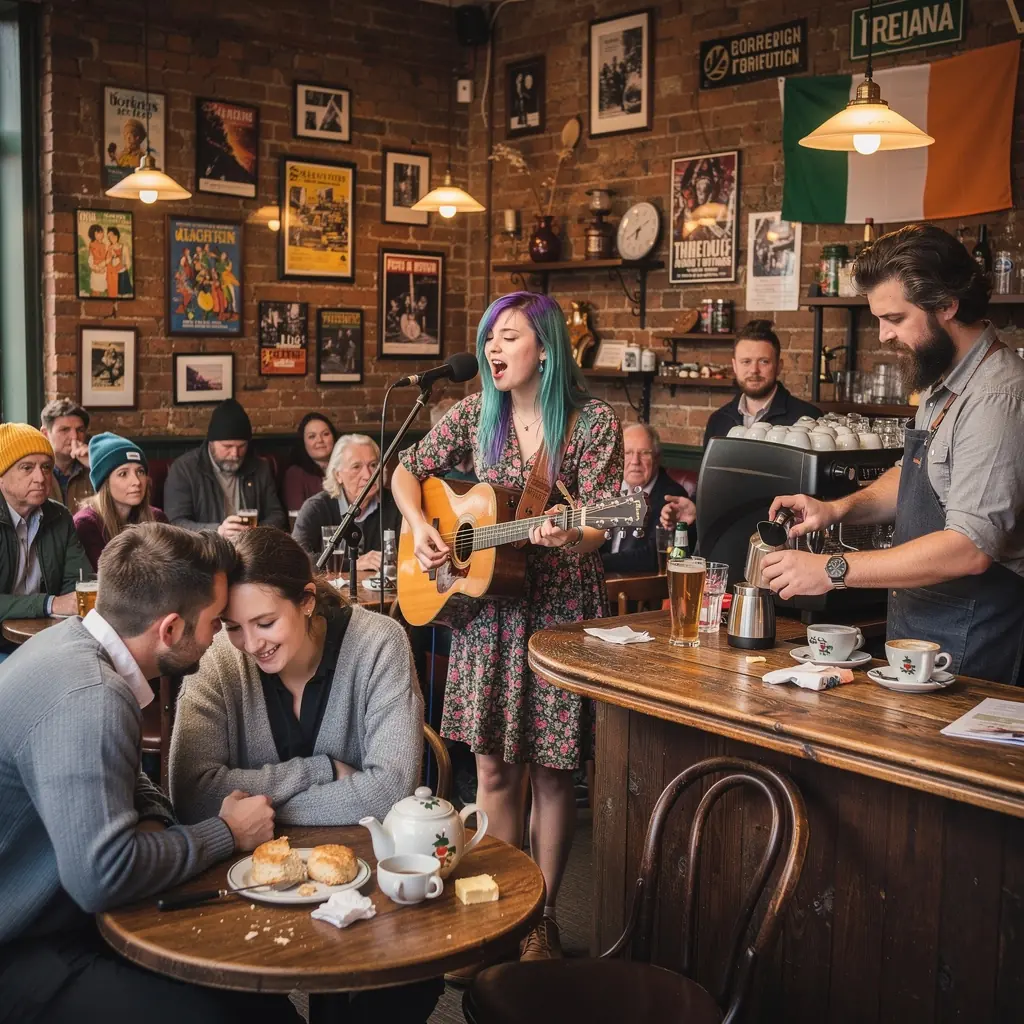
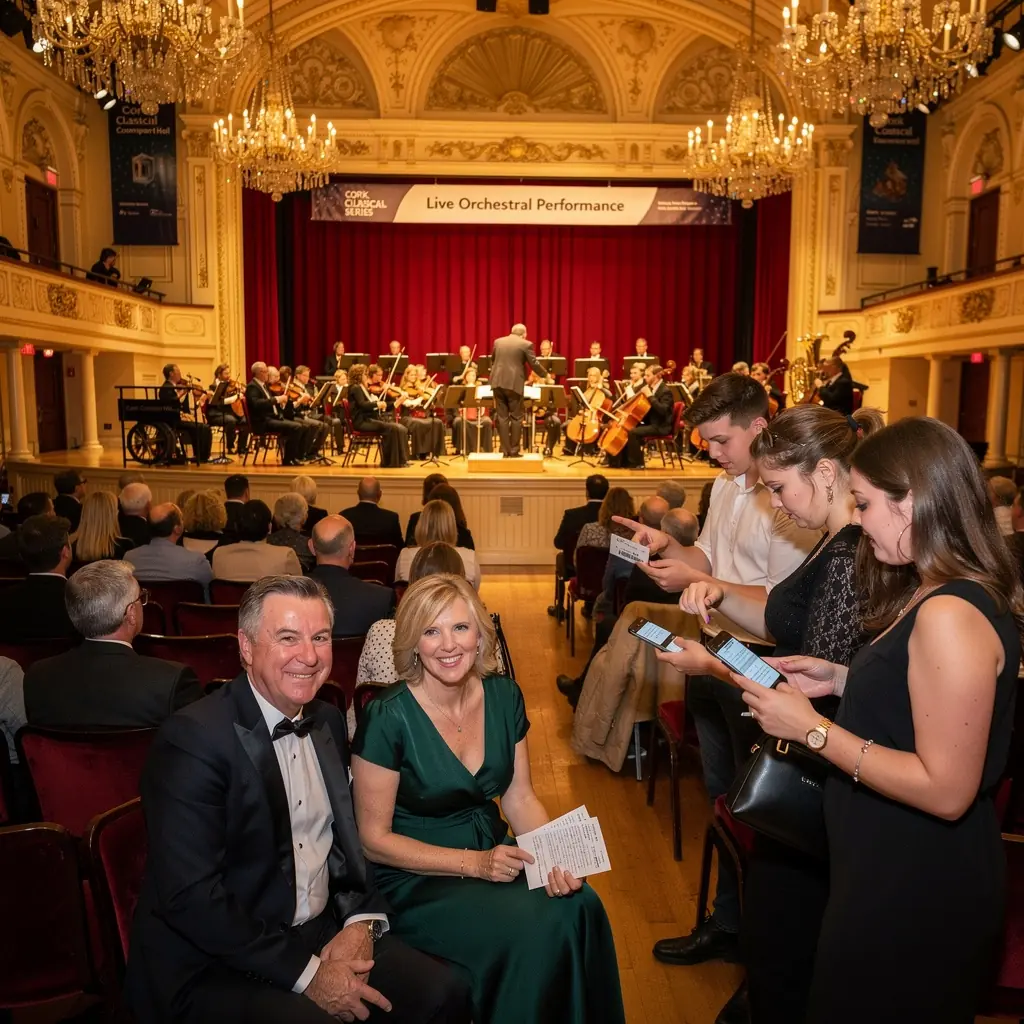
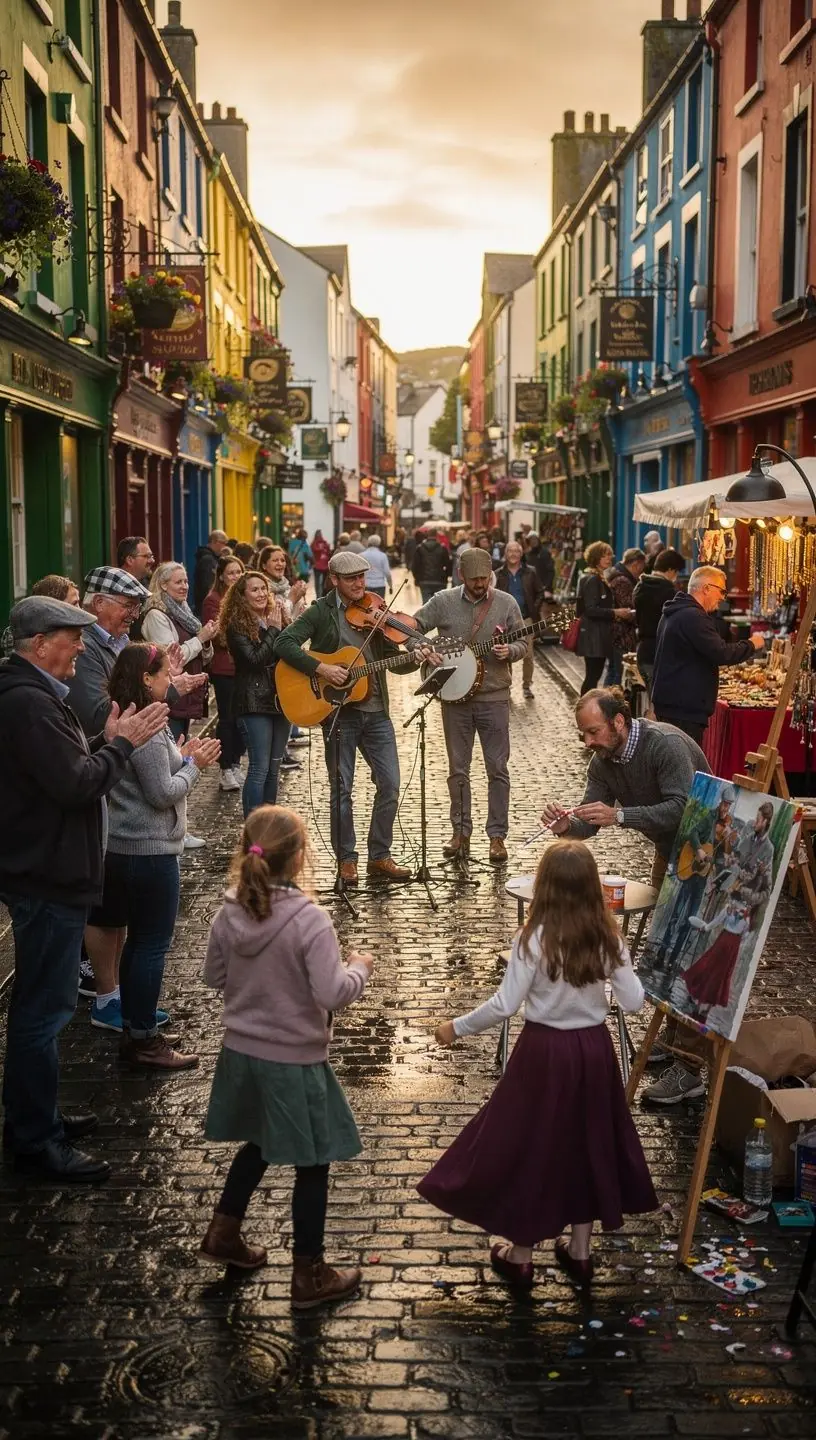
Local venues play a crucial role in cultivating and promoting the arts in communities across Ireland. By offering a space for artists to perform and engage with their audiences, these venues are integral to the development of the local music scene and broader cultural landscape.
Understanding the Importance of Venues
Venues are often the heart of a vibrant arts community. According to research by the Arts Council of Ireland, venues that support local talent help to foster a sense of cultural identity and community pride. These spaces provide not only a stage for performances but also a gathering place for diverse groups, thus enhancing social interaction and community cohesion.
Impact on Local Artists
Local venues offer essential support for emerging artists. They provide opportunities for local talent to showcase their work, which can attract attention and build a dedicated following. Many artists report that performing in local venues has been pivotal in developing their careers.
"Performing at a local venue allowed me to connect with my audience in a way that larger venues often do not facilitate." - Local Musician
Supporting Community Events
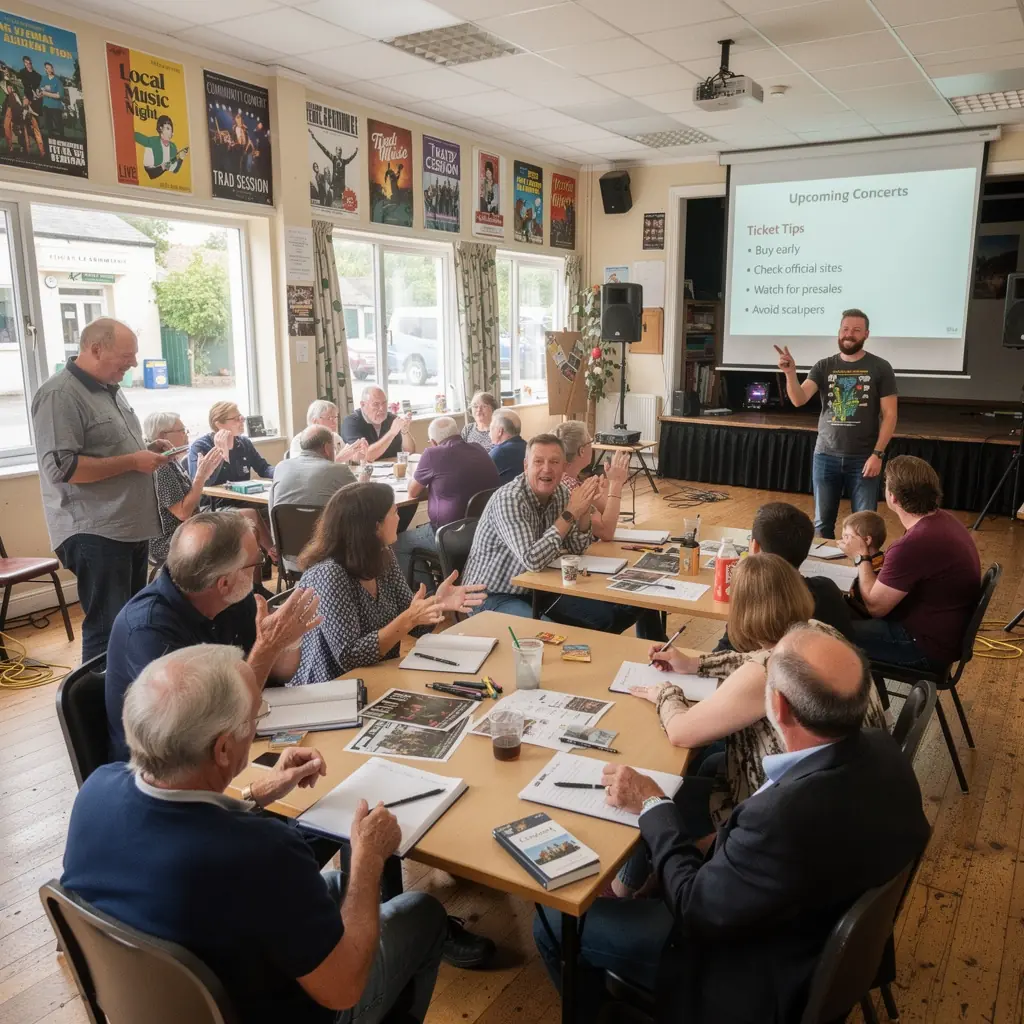
Many venues also host a variety of community events beyond music, including art exhibitions, workshops, and cultural festivals. This variety helps to create a richer cultural tapestry. According to industry experts, supporting local arts programming can significantly increase community engagement and participation.
Ways Venues Shape Cultural Experiences
- Encouraging Collaboration: Venues often facilitate collaborations among artists, leading to innovative projects that enrich the local arts scene.
- Providing Resources: Many venues offer resources such as rehearsal spaces or technical support, which are vital for artists to develop their performances.
- Creating Accessibility: Local venues can create inclusive environments that welcome diverse audiences, making arts and culture accessible to everyone.
Challenges and Opportunities
While venues contribute significantly to the local arts culture, they also face challenges such as funding, competition from larger venues, and changing audience preferences. Experts suggest that venues can thrive by adapting to these challenges through innovative programming and community engagement strategies. Additionally, they can benefit from understanding the local audience, which is essential for tailoring events that resonate with the community.
Conclusion
In conclusion, local venues play a vital role in shaping the cultural landscape of Ireland. They provide platforms for artists, foster community engagement, and enhance the overall arts experience. As the local music scene continues to evolve, the support and adaptation of these venues will be crucial in promoting and sustaining a vibrant arts culture.